
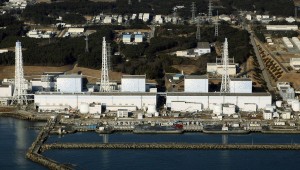
 Japanese officials are still struggling to control the damage at Fukushima nuclear power plant but it seems that it will be more difficult to minimize the fallout for nuclear energy in United States in the coming years.
The explosion and the meltdown has rippled across the globe and is expected to continue for US nuclear supporters who are already struggling with economic as well as political challenges.
According to Peter Bradford, former commissioner of United States nuclear regulatory commission, this incident is a significant setback as the nuclear power industry is still looking for support in Congress and state legislature.
Already few on Capitol Hill have brought back the memories of nuclear power plant disasters at Chernobyl and Three Mile Island.
Representative Ed Markey on Saturday asked to impose a delay on building new nuclear power reactors in quake active areas until safety review is done and he also demanded to review the design of Japanese nuclear power plant to determine any flaws to avoid in building new nuclear power facilities.
On Saturday it was insisted by nuclear power regulators that 104 nuclear power reactors have undergone safety checks for any natural disaster in United States.
According to NRC (Nuclear Regulatory Commission), nuclear power plants in the U.S. have the ability to withstand any environmental hazards including even earthquakes and tsunamis.
There is a requirement by NRC that structures, components and systems should be designed for taking into account any severe natural disaster historically estimated for surrounding area and the site.
President Obama revealed in his speech initially this year that it was his desire to count the nuclear power as a component of clean energy criteria for the country.