
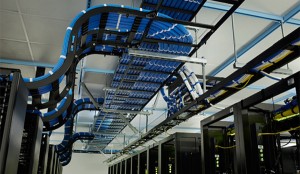
 How does Facebook support an online social network of about 600 million users, without too much downtime?
It started seven years ago by leasing the servers within data centers. A year and a half ago, it has built up its own data center in Prineville, Oregon, and decided to design their own servers, as simple and efficient as possible, write Techland.
This week, Mark Zuckerberg, chief executive of the company that owns the most popular social networking on the Internet, hosted an event to announce he will share the secrets of the servers with the rest of the world, through an organization called Open Compute Project.
Facebook has designed its own motherboards from scratch. There are not complicated, no painted parts, upgrade slots, and have as few screws as possible. On the other hand, the servers have quite bulky enclosures to allow the installation of cooling systems. Facebook employees say that the design of the servers highlight the philosophy of the company focusing on effectiveness in exchange for a less affable outlook.
Facebook servers use up to 22% less material than the usual similar devices, and power supplies with an efficiency of 94.5%, the company said. The power supplies are directly connected to the transformers, without battery backup, and are safe at a rate of 99.9999%, Facebook representatives added.
For Facebook, the Prineville data center has reduced operating costs for servers by 24%, with an increase in energy efficiency by 38% compared with the leased systems previously used. Moreover, contrary to most data centers, the one in Prineville does not need a cooling air conditioning due to cooler climate in the region.
Facebook has announced that any company can benefit from the secrets of the server network, as long as they give feedback in return. Through the organization, the company will provide information about design, CAD files and related data.
Facebook has reached last year the threshold of 600 million users, according to a document published in January by Goldman Sachs, the financial group which brokered a closed issue of shares of the company. According to early estimates, it should move up to 1 billion users by 2012.