
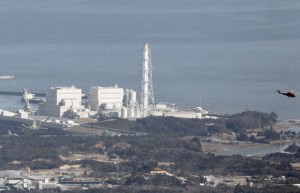
 Damage from the Fukushima Daiichi nuclear power plant in Japan, whose reactors were affected by the earthquake of magnitude 9 degrees and a tsunami on 11 March, is a threat of unforeseeable consequences, the Spanish news agency EFE comments.
Fukushima Daiichi plant became operational in 1971 and has six reactors, of which at least four were affected by the double natural disaster on March 11, and in one of them a fire broke out on Tuesday night, the second one in three days, following nuclear fuel overheating.
The Japanese power company, Tokyo Electric Power Company (TEPCO), which is the Fukushima Daiichi plant operator, also operates two other plants in Japan. Fukushima Daina, which came into operation in 1982, has four reactors with a total capacity of 4,440 MW and could be closed without problems after the earthquake and tsunami, and Kashiwazaki Kariwa, inaugurated in 1985 with a total capacity of seven reactors of 8,212 MW, which continues to operate normally.
Kashiwazaki Kariwa, located on the Sea of Japan, is the largest in the world and is located 220 km northwest of Tokyo. After an earthquake in July 2007, the Kashiwazaki Kariwa power plant suffered some damage, a fire and release of radioactive clouds.