
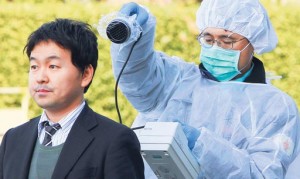
 An eight years old girl, evacuated from Minanmisoma, a city about 20 kilometers away from the Fukushima nuclear plant, has not received medical care in a Japanese hospital, and has been not accepted in a temporary shelter.
Motivation is surprising: the child, who lived for several days in the area of risk, may irradiate others. “It was a shock to me when my daughter did not receive medical care because she does not have a document showing that she has not been irradiated”, the father told “Daily Mail”.
Thousands of residents from the restricted zone around the Fukushima nuclear plant are not allowed in accommodation centers out of the fear that they could contaminate other people. These people, called “hibakusha” (victims of a nuclear accident), need official certificates to demonstrate that they are not a contamination danger to others in order to be accepted into shelters for evacuees.
Radioactive Death
“As long as they were not an employee of the plant, the average person does not pose a risk,” said a Japanese doctor. This is well-known by Japanese authorities and by the managers of shelters. Yet, they are asking for the certificate of radioactivity. “We do this for the remaining evacuees from the centers to feel safe. It is a matter of mental peace”, the manager of a temporary shelter has explained to the British media.
Not only amongst the living people from Fukushima area there are “hibakusha” – outcasts. Japanese police, which gathers hundreds of bodies – starting yesterday – from the radius of 10 kilometers around the plant, fear of contamination. “If we find dead bodies with a high level of radiation, we wash them before taking them to the morgue”, said an official.