
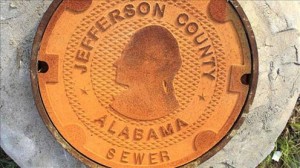
 Debt crisis in the euro area in recent years has taken the forefront of the global financial scene. Debts are not a problem only for Europe, an example being Jefferson County, the most populous district in the U.S. state of Alabama, which became insolvent after local authorities said that they could not repay debt of 4.1 billion dollars, according to international press. Major causes of its entry into a credit default is the amount of 3 billion dollars contracted to develop the region’s sewage system, risky operations conducted by regional officials on the swap market, increased debt financing costs and corruption in local government.
Bankruptcy is the last episode of a long scandal ending up with the conviction of 21 local officials, including former mayor of Birmingham, for bribery and corruption, according to Bloomberg. Meanwhile, local police are facing a shortage of personnel, water and sewerage charges were increased and the local economy is suffocating because of taxes. Authorities have struggled to avoid bankruptcy in the past three years, but recent public debt restructuring negotiations have failed.
Two months ago, the region reached an agreement with creditors, including JPMorgan Bank, one of the most influential credit institutions in the world, and have pledged to erase a billion dollars of debt for the sewer system and refinance the remaining $2 billion loan. However, the interest on the loan increased and the debt reached already $2.19 billion (from $2.19 billion).
According to Alabama Governor Robert Bentley, bankruptcy “will have a negative impact not only on the Birmingham region, but also the entire state”, writes Wall Street Journal. However, Jimmie Stephens, one of the leading members of the region, believes that the declaration of insolvency will not change radically the situation of the district. “Jefferson County was in fact bankrupt three years ago”, Stephens said, quoted by BBC News.
Although municipal bankruptcies are rare, they are becoming more common in the U.S. because regional governments were heavily indebted during the economic boom and now are crushed by high interest rates and rising financing costs. Last month, Harrisburg, the capital of Pennsylvania, went bankrupt after borrowing $300 million for the purchase of a waste incinerator. The best known municipal bankruptcy is the one of Orange County, in 1994, which succumbed financially after accumulated debts of $1.7 billion.