
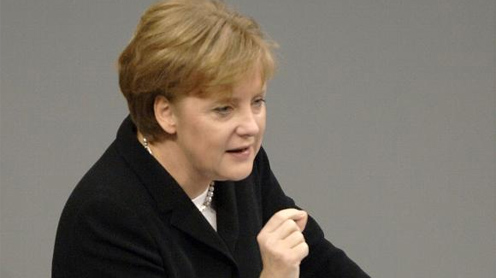
 German Chancellor Angela Merkel is not allergic to the idea of fostering growth in the euro area, which apparently excludes the austerity rule that she preaches. The Chancellor prepares a growth plan focused on six main points based on measures that have worked in Germany, such as making labor market more flexible, reducing labor costs and privatization of state companies, writes Der Spiegel. According to an internal document of the Chancellery, the German government experts have developed a plan reminiscent of former Chancellor Gerhard Schröder reforms contained in the famous program “Agenda 2010”. The plan seeks to harmonize austerity and economic growth in Europe and the document sets out Merkel’s position to enter into negotiations with French President Francois Hollande and other EU partners.
The project provides for programs to support small and medium businesses, such as those offered by KfW, the German Development Bank. German rules provide that government agencies must approve the investment in a specific period of time and the applications are deemed approved if not rejected during the set time. Merkel also wants that countries with high unemployment follow the example of Germany to solve the problem by reforming the labor market. This would mean less protection against unfair dismissal and encouraging temporary employment for which companies pay lower taxes and social contributions. As in Germany, these countries will have to introduce a dual educational system, which combines standard education in a vocational school with apprenticeship at a company. Thus, it would reduce youth unemployment.
Merkel’s advisers have also observed that countries in southern Europe still have companies benefitting from special protection. In this context, Merkel’s plan foresees the establishment of privatization agencies or special funds for managing privatization of state owned businesses. Foreign investors will be attracted by tax breaks and less stringent regulations. Counselors further recommend creating special economic zones, such as the ones that facilitated economic rise of China.
However, Germany wants Southern Europe to invest more in renewable energy, reduce tax barriers and promote workforce mobility. This would improve the economic competitiveness of Europe and Mediterranean Europe “will become more like Germany,” concludes Der Spiegel.

Reply