
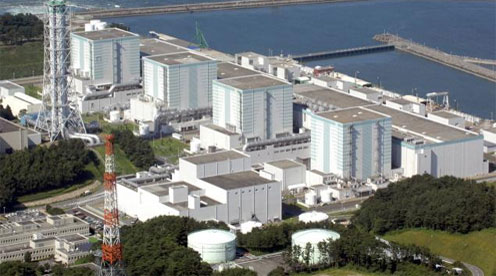
 Japan’s nuclear energy industry lost $46 billion after the disaster occurred last year at Fukushima, an amount equal to the profit for the last seven years. The government prepares unprecedented measures to restructure the nuclear energy sector, according to a Bloomberg analysis. The government in Tokyo announced in July that it will request the nuclear companies, in a position of monopoly in various regions, to separate the transport operations of the electricity from the production.
Industry lost 1,300 billion yen (17 billion dollars) in market value after the announcement of Japanese authorities. The reorganization aims to stimulate competition in the nuclear energy industry. Companies will therefore lose their guaranteed access to national distribution system in a period in which they have to make massive investments in reactors’ replacement, amid new safety requirements introduced after the Fukushima catastrophe.
Tokyo Electric Power (Tepco) was nationalized in July after losing several reactors after the tsunami that hit the Fukushima plant in March 2011. The company will not pay dividends for this fiscal year. Among the new operators, only one has announced that it will distribute dividends. The losses announced by the companies after the catastrophe from Fukushima amounted to 3,600 trillion yen (46 billion dollars), roughly equal to the total profit the sector recorded in the years 2004-2010.
The Japanese government might make changes, similar to measures taken by the authorities in Germany, to eliminate nuclear power from renewable resources nationwide by 2030. Polls give this option on energy policy as the most preferred by Japanese population, on average 70% of respondents indicating they want the government to give up atomic power.
Of the 50 nuclear reactors in Japan, only two are still working, the remainder of them being suspended by the government for safety reasons after the radioactive leak last year in Fukushima, which transformed vast regions in uninhabitable areas for the next decades.

Reply