
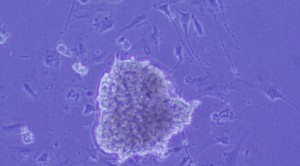
 Cardiac stem cells, extracted from a patient’s heart, have been used successfully for the first time in history to repair damaged tissue in the myocardium of the same person. The study, published in the Lancet medical journal, was designed so that scientists from the University of Louisville, United States of America, test the safety of this medical procedure. Scientists have also noticed an improvement of the heart’s ability to pump blood into the patient’s body.
The authors stated that these results are “very encouraging”. Other experts believe that medical techniques using stem cells extracted from bone marrow are more advanced, but to formalize this hypothesis, larger studies are needed. Scientists said that this was the first reported case in the international scientific community when the cardiac stem cells have been used successfully in the treatment of a human heart disease. They were used in the past in a few tests done on animals.
The preliminary test was conducted on patients suffering from heart failure who underwent a heart bypass operation. During the procedure, doctors removed a piece of heart tissue from the right atrium of the heart. The scientists have isolated cardiac stem cells in that sample of tissue, which were then grown in the laboratory until they obtained about 2 million of these stem cells for each patient. The cells were then injected into the patient, after 100 days from sampling. Doctors then measured how effective was each patient’s heart while pumping blood, using left ventricular ejection fraction – the amount of blood that leaves the ventricle, for each heartbeat.
For the 14 patients who have received this treatment, the percentage increased from 30.3% at baseline to 38.5%, four months after starting treatment. For the seven patients who have not received stem cell treatment, doctors have found no change in ejection fraction of the left ventricular. The study was coordinated by Dr Roberto Boll at the University of Louisville.