
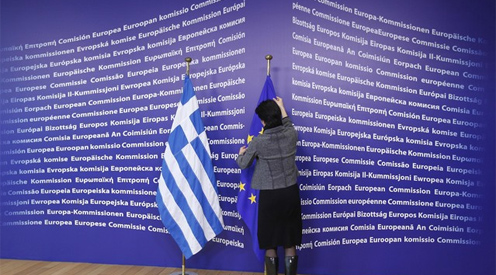
 European Central Bank (ECB) can not publish documents showing how Greece used derivative transactions Greece to hide loans. Information can still inflame the European crisis, threatening the future of the single currency, the banking institution stated in court. Bloomberg News sued the ECB, in 2010, requiring publication of documents, in accordance with EU regulations on freedom of information. The documents could show the role played by the European authorities in allowing Greece to mask its budget deficit for almost a decade.
Subsequently, Greece was forced to seek external support that amounted to 240 billion euros and has made the largest sovereign debt restructuring in history.
“Publication of documents in 2010, when Bloomberg News called it, would have fueled negative perceptions related to Greece’s ability to pay debts. Situation is the same with Spain, which can not borrow money. The markets react in an extremely volatile way. It affects the euro economy” said Marta Lopez Torres, a lawyer of the ECB, during a hearing at the European Court in Luxembourg.
Greece might leave the euro area, if the parties that oppose austerity measures will win Sunday’s election. Meanwhile, Spanish yields on bonds with a 10 year-term have surpassed the psychological threshold of 7% on Thursday after Moody’s downgraded the country’s rating from “A3” to “Baa3”, the last step in the category recommended to investors. Moody’s also reviewed the Cyprus sovereign rating from “Ba1” from “BA3”, marking a worsening of debt crisis in Europe.
“The markets will perform better when they have transparency,” said Timothy Pitt-Payne, a lawyer of Bloomberg News. Bloomberg asked, at the trial started in 2010, access to two internal documents of the ECB’s board. Those documents would show how Greece used swaps to conceal some of the loans.

Reply