
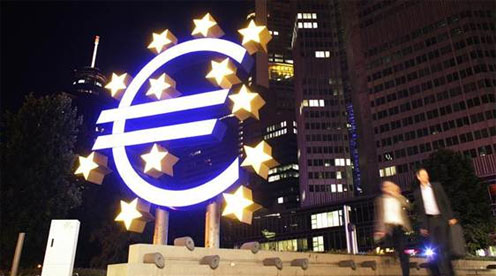
 A total of 11 eurozone countries, including France, Germany, Italy and Spain, announced Tuesday that they are ready to swiftly introduce a tax on financial transactions, project regarded with hostility in other European countries. The proposal, launched last year by the European Commission, was in a dead end because of deep disagreements between the 27 Member States that have persisted at the EU summit in June.
The idea of re-launching the project as deep cooperation that requires the participation of at least nine EU countries has accelerated in the last two weeks. France and Germany, the main promoters, sent a letter to the partner states for a clear opinion on this project. Monday evening, the European Commission received letters from seven countries: Germany, France, Belgium, Portugal, Slovenia, Austria and Greece.
Commissioner for Taxation, Algirdas Semeta, announced at a meeting of EU finance ministers, in Luxembourg, that other four countries have expressed their intention to introduce the tax: Italy, Spain, Slovakia and Estonia.
The European Commission wants to submit the proposal at the forthcoming EU Finance Ministers which will take place on November 13 for an agreement by the end of this year. The basis for discussion is a proposal by the EC in September 2011, which provides for taxation of all financial transactions performed between financial institutions. Exchange of shares and bonds would be taxed at 0.1% of the transaction value and derivative contracts at 0.01%.
UK Finance Minister George Osborne, the country where three-quarters of financial transactions in Europe take place, reiterated his country opposition to a tax that does not apply in other major financial centers around the world, such as New York, Hong Kong and Singapore. He said that Britain will not block the initiative of 11 countries, but stressed the uncertainties related to the type of financial products concerned and the impact on public finances of the concerned member states.
Germany opposes a proposal coming from France that revenue generated by this tax to partially contribute to the EU budget. The European Commission estimates that the tax on financial transactions would generate revenue of €57 billion per year if all European countries will participate. Some countries in the euro area are totally against this tax, such as the Netherlands.
EU finance ministers will discuss on Tuesday the thorny issue of common surveillance of the European banks, which Swedish Minister Anders Borg qualified as “very difficult”. Disagreements persist between European countries on the timing of the project implementation, which provides for the granting of supervisory role to the European Central Bank.

Reply