
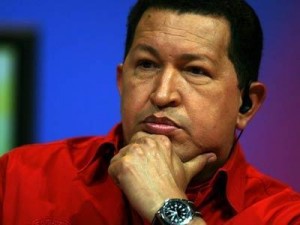
 The Venezuelan parliament granted the country’s president the power to rule through decrees for one and a half years. The measure threw Hugo Chavez’s opponents into outrage, as they accused the president of transforming the country into a dictatorship.
With this move, the socialist president saw his power boosted after more than a decade in office. The measure raises the question of whether a new wave of nationalizations will follow in South America’s largest oil producer. The president of Venezuela has been asking for this spike in his powers for approximately one year under the pretext of having to deal with national emergencies, such as floods which made some 140,000 people leave their homes.
With his new powers, the president can keep opposing parties at bay and on the sidelines of the law making process until the middle of 2012. This term is also quite close to the start of the re-election campaign for the country’s next presidential run in December 2012.
Parliament president Cilia Flores stated that politicians had to listen to the pledges of families affected by the floods and that those people were relying on the country’s president to have the infrastructure restored, in order to be allowed to live a dignified life.
Also on Friday, the assembly passed a law that facilitated nationalization of banks by the government and cut the banks’ profits.
The current assembly was in a hurry to pass such legislation as well as enforce the President’s powers as in January the next assembly would come in place. The new assembly majority are regarded as “little Yankees” by Chavez.
The new law which enables Hugo Chavez to rule by decree will allow him to pass legislation in the field of finances, housing, land and security, and opposition sees it as an autocratic measure, as does the US State Department.