
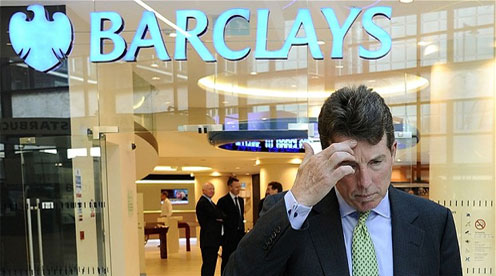
 The large banks, which are usually supportive of each other against authorities, started to attack each other as the international investigation on Libor interest handling progresses, writes The New York Times.
With billions of dollars and reputation at stake, during the most recent meetings with the authorities, the banks began to blame each other, according to government officials and banking sources close to the situation. Although they admit their mistakes, credit institutions point to the actions of other banks they consider to be more serious than what they did and sometimes these accusations are directed to top executives.
Swiss bank UBS, which has on record several deviations from regulations, provided the investigators with e-mails and other information which suggest that it conspired with traders from Deutsche Bank, HSBC and Royal Bank of Scotland to manipulate the Libor rate, according to legal documents and declarations made by bank employees. In discussions with investigators, HSBC bank takes responsibility for its actions, according to a lawyer. Citigroup also gave details of the rate manipulation with other banks. When the British bank Barclays has negotiated an agreement with authorities, it noted that other financial institutions in Europe have taken part in manipulating Libor interest rates. Like UBS, Barclays provided information on the activities involving HSBC and Deutsche Bank.
Several banks use the $450 million settlement of Barclays with authorities as a guide in preliminary discussions with investigators. Both JPMorgan Chase and Citigroup pointed out that their executives were not involved in handling the reference rate like in the Barclays case and therefore should not be treated as severe. Representatives of JPMorgan, Deutsche Bank, HSBC and Citigroup have said that their institutions cooperate with authorities.
Authorities around the world are investigating more than 10 large banks for the role they had in handling global interest rates, such as Libor. The reference rate is used to set interest rates for financial products worth trillions of dollars, including mortgages and those for students in the U.S.. When banks began to conduct an internal investigation, two years ago, they believed that they could do with any penalty. But the size of the fine paid by Barclays and the extent of the scandal in the public eye have determined the banks strive to limit the blame while the danger of criminal penalties increases. The abundant evidence of guilt has created among banks a behavior such as “every man for himself”.

Reply