
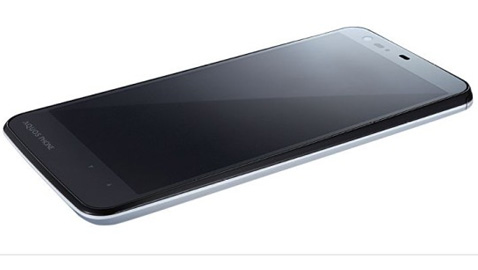
 Sharp will expand its supply of LCD screens for phones to the South Korean group Samsung while it still sells displays to Apple, in an effort to increase its profitability indicators and remain a viable business.
The company’s objective is to increase the annual operating profit to $1.5 billion by March 2016 and total revenues of $30 billion, according to sources close to the situation, who asked to remain unknown.
The television industry pioneer avoided the insolvency last year with a loan of $4 billion obtained from various creditors, including the financial group owned by Japanese bank Mizuho and the financial group of the Mitsubishi car manufacturer. Sharp will have to borrow another 150 billion yen ($1.47 billion) to buy back bonds worth 200 billion yen due in September, according to the same sources.
Banks that lent money to Sharp will sent personnel inside to take leadership positions in the company in order to closely supervise its activities, including a chief financial officer. The total number of directors will be reduced to 12.
In October Sharp had to mortgage its headquarters and factories in Japan, including the factory producing screens for Apple tablets and smartphones. Also, the company was forced to cut the number of employees by 10,000 people and seek buyers for assets abroad, such as TV assembly plants in China, Malaysia and Mexico.
Samsung took advantage of Apple’s weak sales to gain further ground. Analysts estimated a profit growth below 5% in the next 10 years for Apple, compared with an average increase of 60% over the last 5 years.
Earlier this year, Sharp has been forced to cut production of 9.7 inch displays for the Apple tablet and began to limit the production of displays for the next Apple iPhone, as the mass production is scheduled for June, according to sources.
In March this year, Samsung representatives said they were willing to invest $103 million dollars in Sharp by purchasing 3% of company’s shares, thus ensuring that Sharp will be a reliable supplier of displays. Sharp declined the offer.
The Japanese company has managed instead to raise $120 million through the sale of shares to Qualcomm, manufacturer of processors for mobile devices. The two companies have signed an agreement by which they agreed to cooperate in developing new Sharp displays with a low power consumption.
According to the same sources, Sharp could report a net loss of 500 billion yen in the year ended March 31, a lower result than what company estimated in November. From the beginning of the year Sharp shares rose by 49%.

Reply