
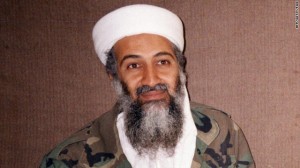
 The killing of Osama bin Laden, on May 2, in Pakistan, has a “more important” effect on the terrorist network al-Qaeda than the United States have expected, provided that the network leader was involved in developing its strategy, said Tuesday an U.S. senior official.
“The most important discovery of his whereabouts is that bin Laden was more involved in the operation of the organization than expected from a man so isolated”, he told the journalists Ambassador Daniel Benjamin, who led the fight against terrorism at the State Department.
“He was not just a symbol, he was also deeply involved in the strategy of Al-Qaeda”, he added. According to Benjamin, the elimination of bin Laden has, therefore, a double effect, namely the loss of a symbol of resistance of Al-Qaeda and the disappearance of a strategist “who had, indeed, a great influence on the operating mode of the organization”.
“We believe, therefore, that the impact of (his death) is more important than we predicted”, he concluded. Osama bin Laden, who lived in a complex in the garrison city of Abbottabad, about 80 miles north of the Pakistani capital was killed by members of the Navy SEALs, in a commando operation.
The American troops have taken tens of thousands of documents from the cache. A coincidence or a consequence of the analysis of this information, unmanned aerial attacks have multiplied in recent weeks against members of the network and several Al-Qaeda leaders have been eliminated.
One of them is Ilyas Kashmiri, a leading Al-Qaeda’s military commander, killed in an attack by an unmanned aircraft on June 3 in Pakistan, an information not confirmed by Benjamin. “We believe that they are on the move because they are confused due to uncertainty and their security,” said the ambassador.
In his opinion, another consequence of the death of bin Laden is a revenge from al-Qaeda, though no specific project was identified by the attack. “In a situation like this, we should recognize that there is a risk that an angry person might act as they please”, he warned, citing possible terrorist attacks committed by “lone wolves”.