
 Excessive thirst, headaches, frequent urination, blurred vision and sexual dysfunction are among the signs of the disease of the century. Diabetes has come to strike people of all ages, and symptoms are subtle. In fact, one in three people with this disease doesn’t know that he has diabetes. Type 2 diabetes is the most common form of diabetes, accounting for 90-95% of cases. It is characterized by elevated blood glucose and glycated hemoglobin. It is caused by decreased secretion of insulin in the pancreas or decrease of peripheral insulin action.
Among those with high risk to develop type 2 diabetes are overweight and obese people, those who have parents with diabetes, sedentary people, smokers and those whose diet includes large amounts of red meat, processed meat , and high fat dairy products. Women are also at risk during pregnancy. Women with polycystic syndrome, which causes insulin resistance must also pay attention to the signs of diabetes.
The physical manifestations that would reveal diabetes and should make us think are the following:
1. Excessive thirst. It is one of the first signs of diabetes. Constant need to drink water, dry mouth and frequent urination are reasons of concern, and also unexplained changes in weight – loss or gain. Diabetes is a very insidious disease because it develops for a long period without any evidence. When thirst and frequent urination are noticed, the disease is already at a very advanced stage.
2. Headaches. As glucose levels increase, there are additional symptoms such as headaches, blurred vision or weakness.
3. Infections. Later, other complications arise: simple cuts and superficial wounds heal very slowly, urinary infections and itching often occur.
4. Sexual dysfunction. Statistics show that up to 70% of men with diabetes have potency problems. Reason: diabetes affects blood vessels and nerve endings in the genital area, making erection and orgasm difficult. In women, vaginal dryness occurs. Diabetes is accompanied right from the onset by many complications, so it must be prevented. If the pre-diabetes stage is detected, its conversion into diabetes could be prevented.
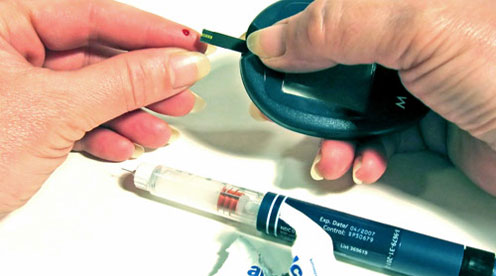
People in risk categories should regularly measure their blood glucose and glycated hemoglobin. Testing is done in the morning on an empty stomach. If blood glucose exceeds 125 ml/dl, and glycated hemoglobin cross the threshold of 65%, we are dealing with diabetes.

Reply